Where Does TOC H come from?
During the First World War, a soldier’s club was established in Poperinghe, Flanders, by Reverend Tubby Clayton. At the time, soldiers on the front lines faced unimaginable hardship, and this club provided a place where troops of all ranks could find respite from the horrors of war. It became a sanctuary—offering comfort, camaraderie, and a brief escape from the realities of battle. The club was named Talbot House, in memory of Lieutenant Gilbert Talbot, a young officer who had been killed in action the previous year. This initiative was not only a response to the physical and emotional turmoil experienced by soldiers but also a reflection of the human need for connection and support during trying times.
To signalers in the army, Talbot House was transmitted using the phonetic alphabet of the time—Toc for “T” and H for “House” (similar to today’s Tango Hotel). This practice was quite common in military communication, where clarity and brevity were essential. As a result, the club became informally known as Toc H, a catchy name that resonated with those who visited and used the facility. After the war, the name lived on as an organisation dedicated to the values of friendship, service, and community. Toc H established similar houses—known as Marks—across the country, continuing to offer support and companionship to those in need, emphasizing values that were critical during and after the war.
In 1924, members of the Manchester Mark of Toc H came together to form a rugby club, inspired by the same values of inclusivity and camaraderie that had defined Talbot House. The club was originally named Toc H Manchester and was based in Victoria Park. This new sporting venture not only provided an outlet for physical activity but also fostered a sense of belonging among its members. Over the years, the club moved to various locations, adapting to the needs of its growing membership, before eventually settling in Didsbury. The migration reflected the community’s evolving dynamics and the enduring appeal of the Toc H ethos.
In 1986, the club was renamed Didsbury Toc H, reflecting both its historical roots and its identity within the local community. This rebranding was representative of the club’s commitment to stay relevant and connected to its heritage while looking towards the future.
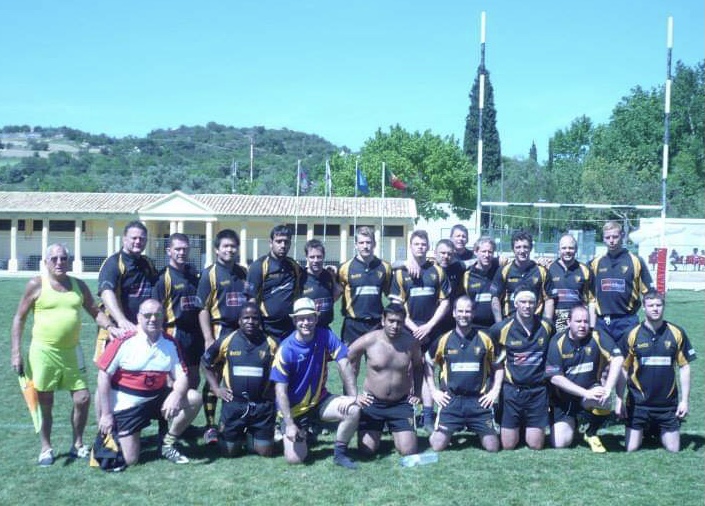
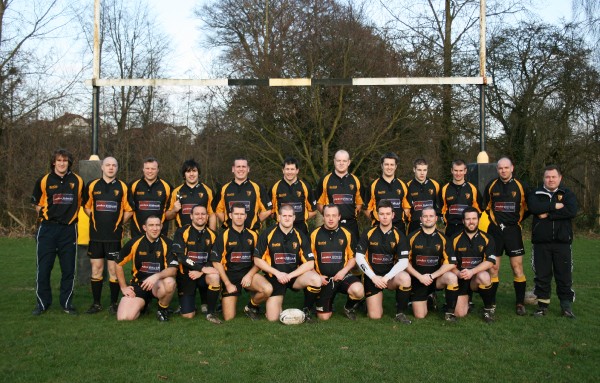
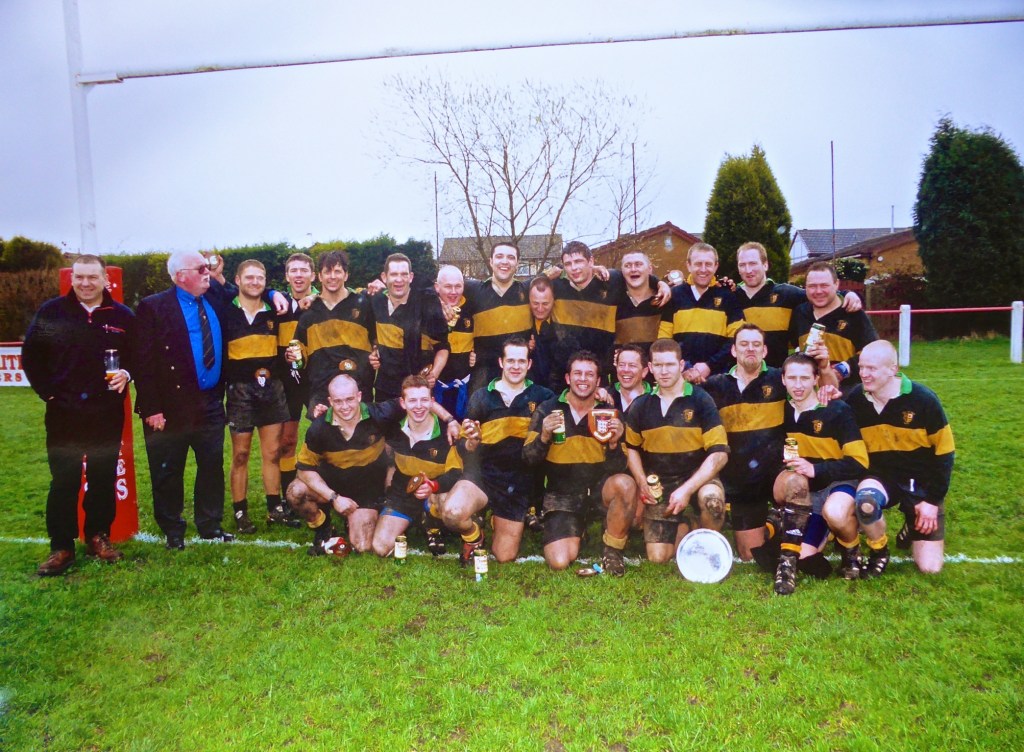
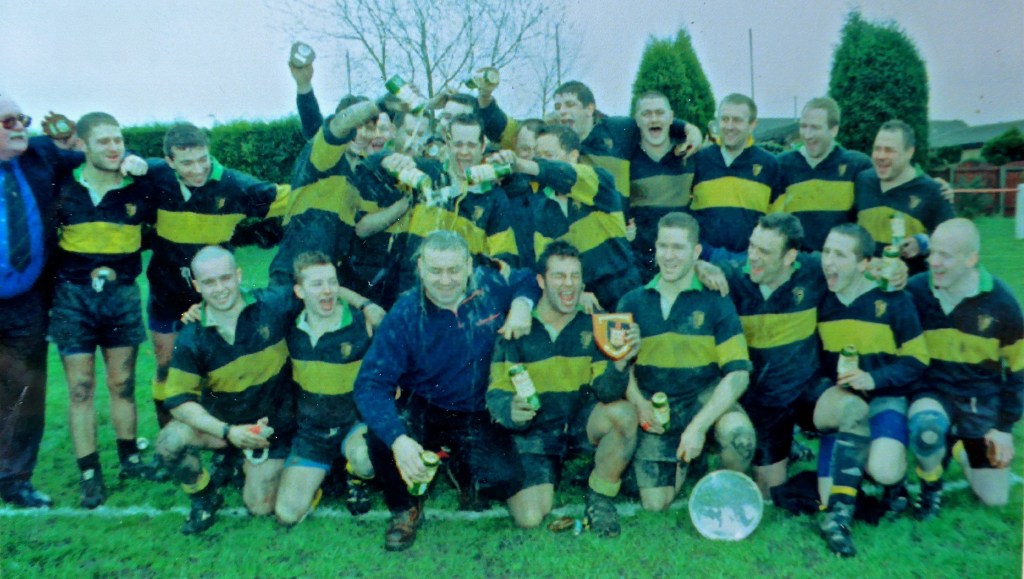
Today, Didsbury Toc H continues to embody the spirit of its origins, fostering a welcoming and inclusive rugby environment while carrying forward the legacy of a club that began in the midst of war. The current members honour the principles of unity, support, and resilience throughout their activities, whether on or off the field. They engage with local initiatives, volunteer in their communities, and ensure that the vision of camaraderie is alive and well, proving that the values instilled by Reverend Tubby Clayton and the legacy of Talbot House remain vital in today’s society. The story of Toc H is a powerful reminder of how the foundations of kindness and community can thrive even in the aftermath of adversity, creating lasting bonds and a bright future.






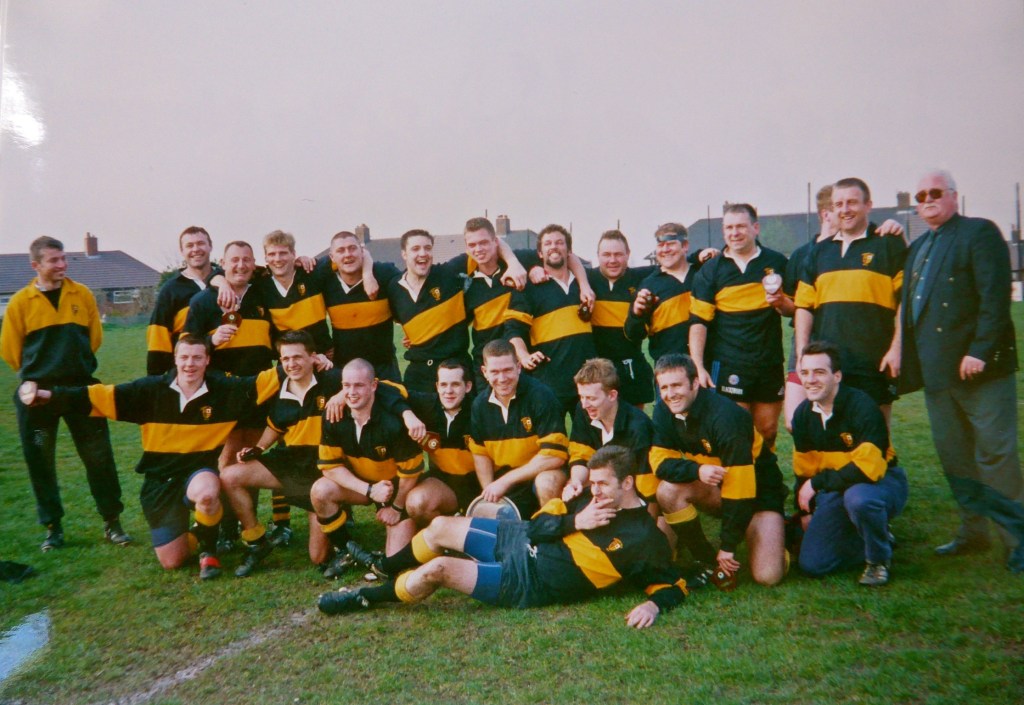


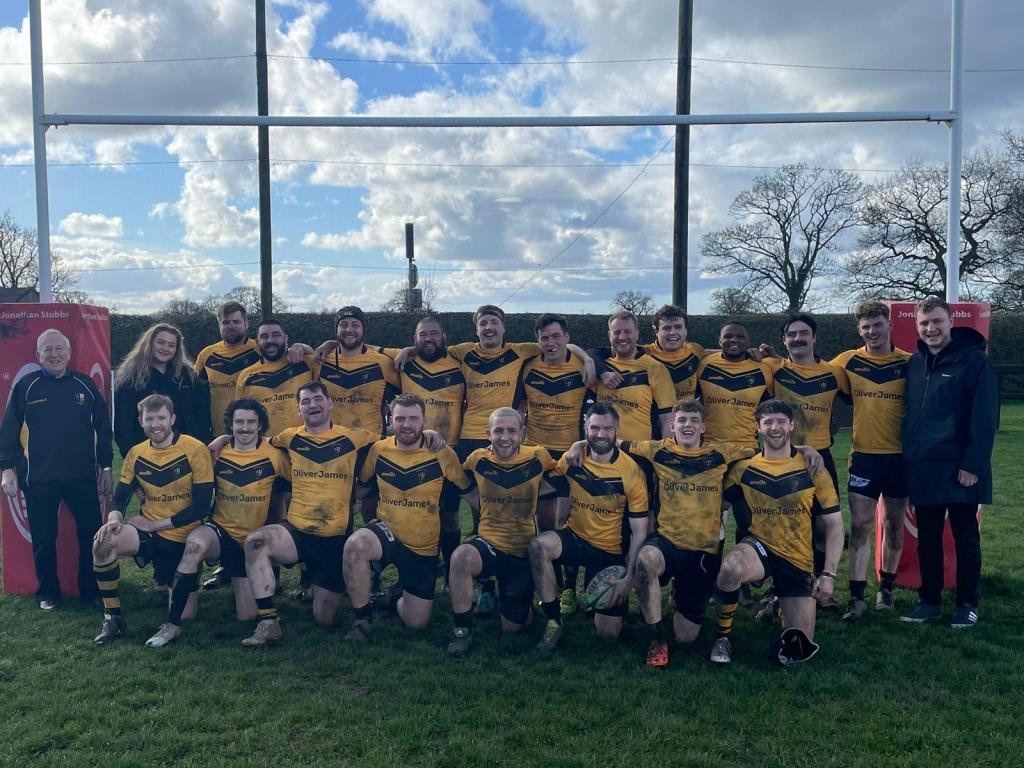
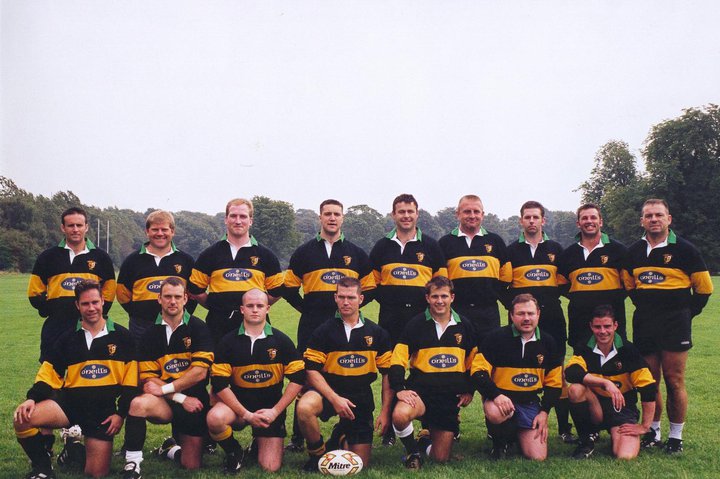
 Didsbury Toc H 7s and 10s